Spa High Limit Switch: 5 Critical Signs It Has Failed

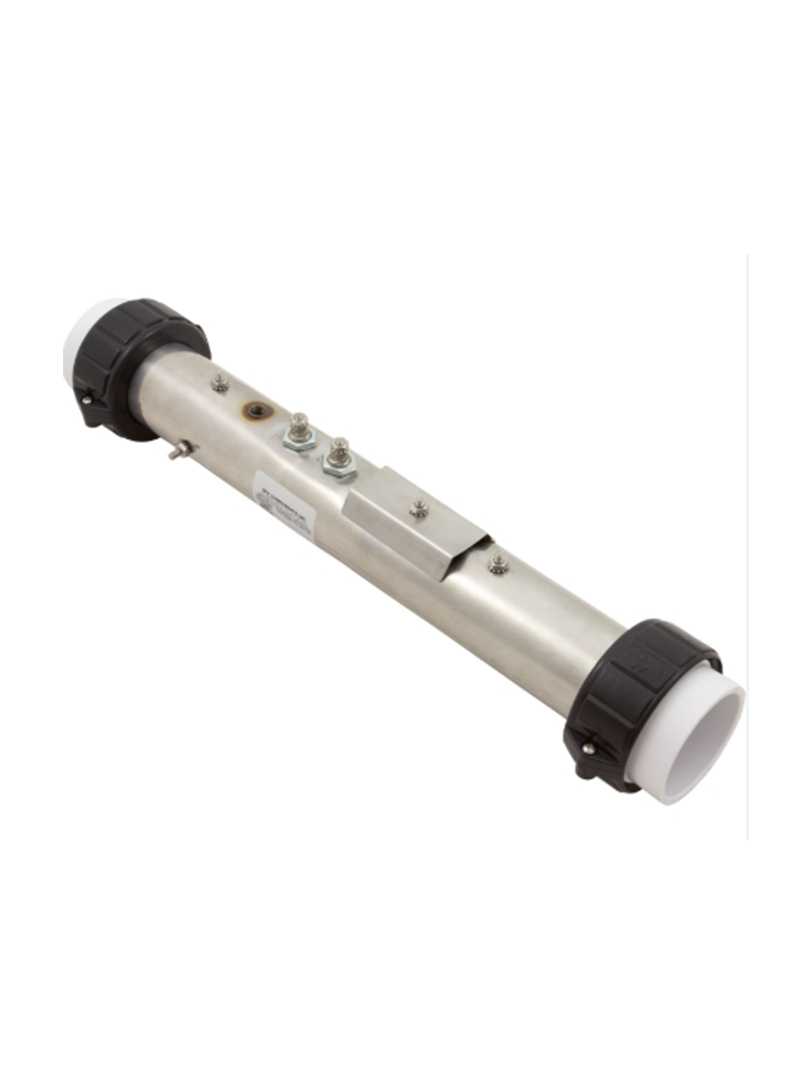
How a Spa High Limit Switch Works
A spa high limit switch is a thermal safety device mounted on or near the heater housing. Its job is to interrupt power to the heating element if the water temperature at the heater exceeds a safe threshold — typically 108°F to 118°F depending on the control system. When the switch opens, the control board displays an HL (high limit) error and stops energizing the element, preventing the water from reaching dangerous temperatures.
The switch operates independently of the temperature sensor and the pressure switch. The temperature sensor tells the control board the current water temperature; the pressure switch confirms adequate flow; and the high limit switch is the last line of defense if either of the other two systems fails to prevent the heater from overheating. All three components must be functioning correctly for safe heater operation — a failure in any one of them can look like a heater fault even when the element itself is in good condition.
Inside the switch, a bimetallic disc or a wax-element actuator responds to heat. At normal operating temperatures the switch is closed — current can flow through it. When temperature exceeds the trip point, the disc snaps open, breaking the circuit. On most spa systems, the switch is a manual-reset type: once it trips, the water must cool down and the reset button on the switch (or a reset sequence on the control board) must be pressed before the heater will restart. Some systems use an auto-reset design that closes again once the temperature drops, but manual-reset types are more common for safety reasons.
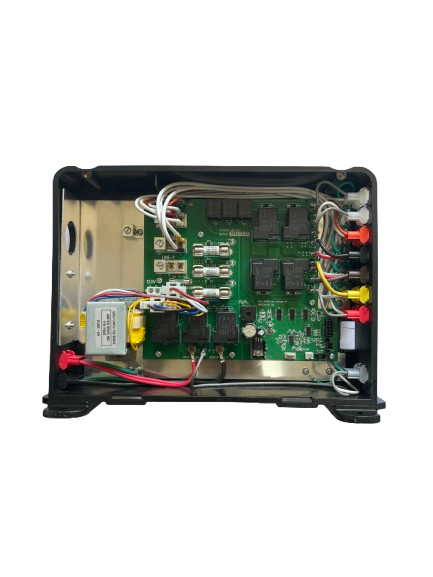
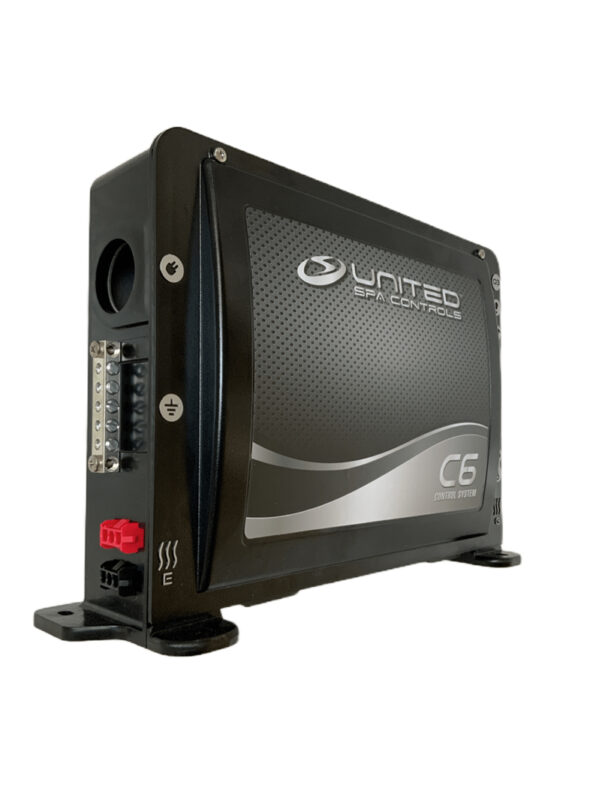
The trip point of the high limit switch is fixed at the factory. Unlike the user-adjustable temperature set point on the topside panel, the high limit threshold cannot be changed in the field. If the switch is tripping at temperatures well below its rated threshold, the switch has drifted from its calibration and should be replaced. The United Spa Controls brand overview covers system architecture and where the high limit switch fits in the CB117P and C6 control systems.
5 Critical Signs Your Spa High Limit Switch Has Failed
Sign 1: HL Error Code That Clears, Then Returns
The most direct sign of a spa high limit switch problem is a recurring HL error code. If the HL error clears after the system cools and the reset is pressed but then returns within minutes or after the next heat cycle, the switch is either tripping at a temperature below its rating or the underlying cause of overheating has not been resolved. A single HL error is not necessarily a failed switch — it may reflect a legitimate overheat event from low flow, a dirty filter, or scale on the element. A recurring HL error that returns after reset and cool-down is more likely to indicate switch failure or a chronic low-flow condition.
Before replacing the spa high limit switch, eliminate the most common non-switch causes: clean the filter, check that the pump is running at full speed during the heat cycle, and inspect the heater housing for mineral scale buildup that could be creating localized hot spots. If those checks pass and the HL error continues to return, the switch itself is the next item to test. See the spa control system error codes guide for a complete list of HL and OH codes and their specific meanings on United Spa Controls systems.
Sign 2: No Heat When Water Is Clearly Below Set Temperature
A spa high limit switch that has failed in the open position will prevent the heater from running even when the water is cold and well below the set temperature. Because the switch is in series with the heater circuit, an open switch reads the same as a genuine high-limit trip to the control board — it will not send power to the element. The display may or may not show an HL code depending on whether the control board distinguishes between a switch fault and a sensor-confirmed overheat event.
This failure mode is easily confused with other no-heat causes: a failed heater element, a FLO lockout, or a control board fault. The distinguishing test is the multimeter continuity check on the spa high limit switch at room temperature — a functioning switch should be closed (continuity) when the water is cool. If the switch reads open at room temperature, it has failed in the open position and must be replaced. Before testing the switch, also check the spa heater not heating guide to rule out simpler causes of no-heat conditions.
Sign 3: Heater Shuts Off Before Water Reaches Set Temperature
A switch that is tripping below its rated temperature will cut the heater circuit before the water reaches the user-set temperature. The pump continues to run but the heater turns off prematurely, and the display shows the HL code. If the water temperature at the time of shutdown is well below 108°F — for example, the heater shuts off at 95°F with the set point at 102°F — the switch has drifted from its factory calibration and is tripping too early.
This failure mode can also be caused by a localized hot spot at the heater housing rather than the bulk water temperature exceeding the limit. Scale buildup on the heater element creates insulating hot spots that raise the local temperature at the heater manifold — which is where the high limit switch is mounted — well above the bulk water temperature. In that case, the switch is doing its job correctly, and the real solution is descaling the element or replacing it. The spa heater element guide covers element inspection and testing. For scale-related issues, also see the low flow heater guide.
Sign 4: Spa Overheats or Heater Runs Continuously
A switch that has failed in the closed position — stuck closed, never opening — removes the last thermal safety barrier from the heater circuit. If the temperature sensor or the control board’s temperature management circuit fails simultaneously, the heater can run continuously and the water temperature can rise to dangerous levels. This combination is rare, but it is the most serious failure mode associated with this failure mode.
Signs of a stuck-closed high limit switch are easy to miss because the heater appears to work normally — it runs, heats the water, and only fails to provide safety shutdown when it is most needed. The only reliable way to confirm that the switch is functioning is to test it: measure continuity at room temperature (should be closed), and verify that it opens when heated above its trip point. Any spa that is consistently reaching temperatures above 104°F when the set point is lower should be serviced immediately. Shut the spa off at the breaker and do not use it until the heater circuit has been inspected.
Sign 5: Open Circuit on Multimeter Test at Room Temperature
The definitive sign of a failed spa high limit switch is an open circuit reading on a multimeter continuity test when the water is at room temperature. A properly functioning switch is normally closed at ambient temperature — it should read continuity (a beep or a near-zero resistance reading). An open reading at room temperature means the switch has tripped and will not reset, or has physically failed in the open position.
Before condemning the switch based on this reading, press the manual reset button on the switch housing if one is present and retest. Some manual-reset switches will read open until the reset is pressed after a trip. If the switch reads open even after pressing the reset, and the water is cool, the switch has failed and needs replacement. The testing procedure is covered in detail in the next section.
How to Test a Spa High Limit Switch
Testing a spa high limit switch requires a digital multimeter and access to the heater assembly. Always disconnect power at the circuit breaker and confirm with a non-contact voltage tester before touching any wiring. The Electrical Safety Foundation International (ESFI) provides guidelines for safe hot tub electrical work.
Step 1: Locate and Inspect the Switch
The spa high limit switch is typically mounted directly on the heater housing or manifold — look for a small cylindrical or disc-shaped sensor with two wires connected to it and, on manual-reset types, a small button on the end of the sensor body. On United Spa Controls systems, the high limit switch is positioned to sense the water temperature at the heater outlet, where temperature is highest. Before testing electrically, press the reset button on the switch if one is visible. Some nuisance-trip events (low flow, air lock) will cause a properly functioning switch to trip; pressing reset may clear the fault without component replacement.
Step 2: Continuity Test at Room Temperature
With power disconnected, disconnect the two wires from the spa high limit switch terminals. Set the multimeter to continuity mode (diode symbol or beep symbol). Place one probe on each terminal of the switch. At room temperature, a functioning switch will show continuity — the multimeter will beep or display a near-zero resistance value. An open reading (OL or no beep) at room temperature, after pressing the reset button, indicates the switch has failed in the open position and must be replaced.
A reading of continuity at room temperature confirms the switch is electrically intact. This test does not confirm that the switch trips at the correct temperature — only that it has not failed open. If the switch passes the room-temperature continuity test but the HL error still recurs, the switch may be tripping early due to calibration drift, or the underlying cause of the overheat condition has not been addressed.
Spa High Limit Switch on United Spa Controls Systems
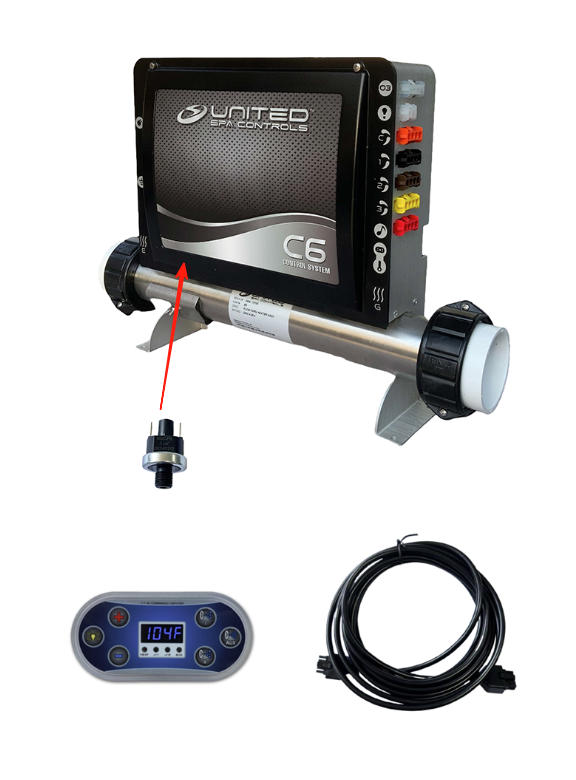
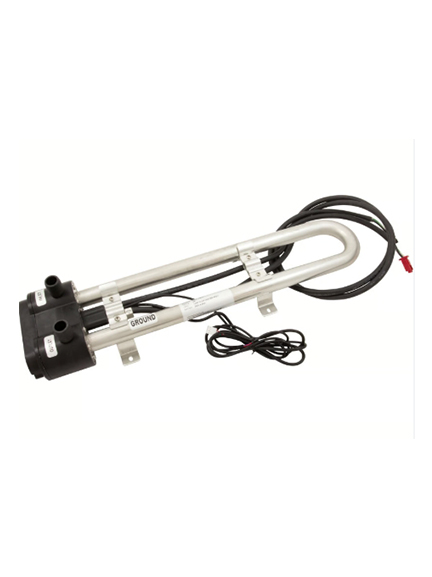
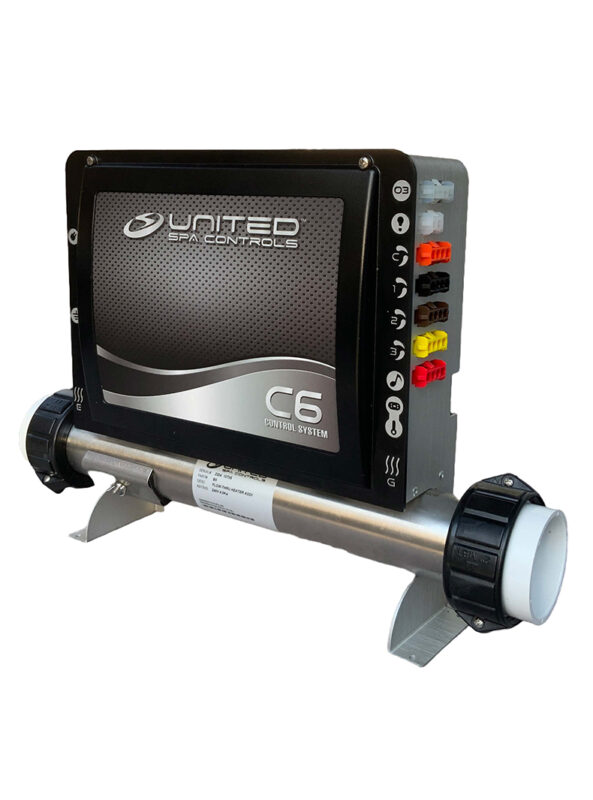
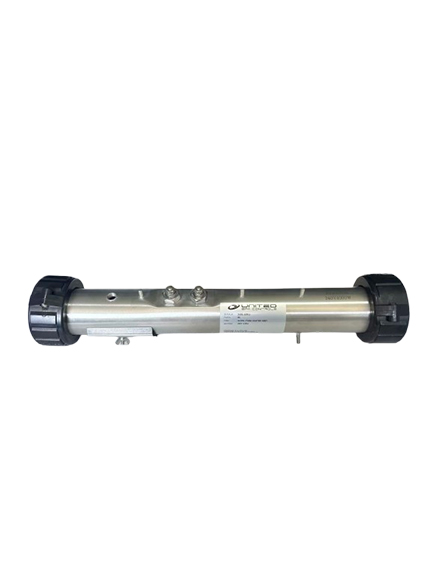
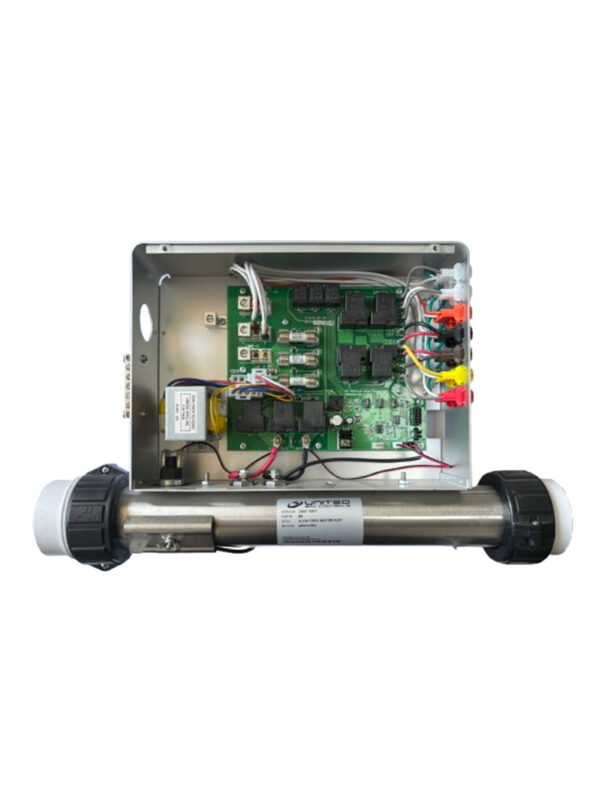
On United Spa Controls CB117P and C6 systems, the spa high limit switch is a separate component from the pressure switch and the temperature sensor. All three are mounted on or near the heater manifold, which can create confusion during diagnosis — they look similar but serve entirely different functions. The table below summarizes where each component fits in the heater protection circuit:
| Component | Function | Failure Symptom |
|---|---|---|
| Spa high limit switch | Cuts heater if manifold temp is too high | HL error, no heat, or no safety shutdown |
| Pressure switch | Confirms water flow through heater | FLO error |
| Temperature sensor | Measures bulk water temperature | Incorrect temp display, heater runs continuously |
When diagnosing a spa high limit switch fault on a United Spa Controls system, confirm which component is actually at fault before ordering parts. An HL error is specifically a high-limit switch or high-temperature event. A FLO error is a pressure switch or flow issue. An incorrect temperature reading is a sensor issue. These three codes point to three different components, and mixing them up leads to replacing the wrong part.
The spa pressure switch guide and the temperature sensor guide cover those respective components. For the heater element itself — which can cause HL faults when scale creates hot spots at the manifold — see the spa heater element guide.
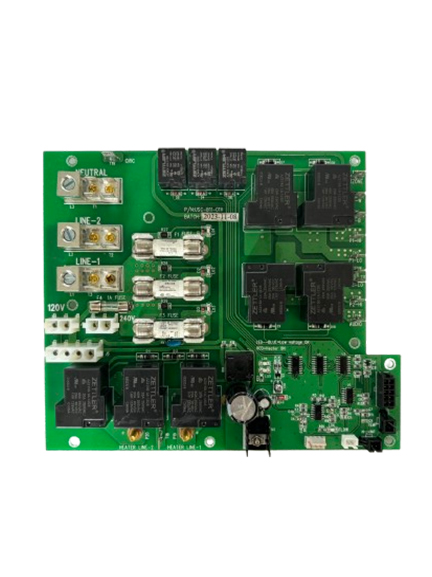
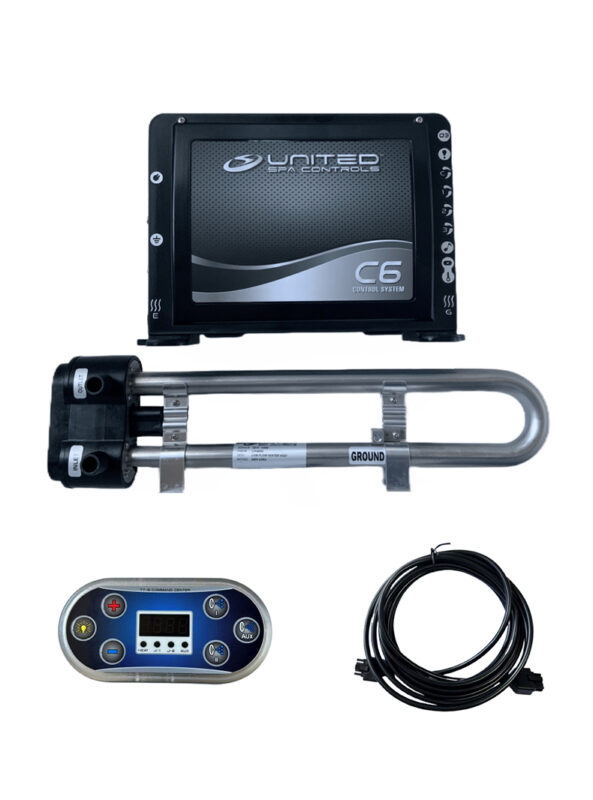
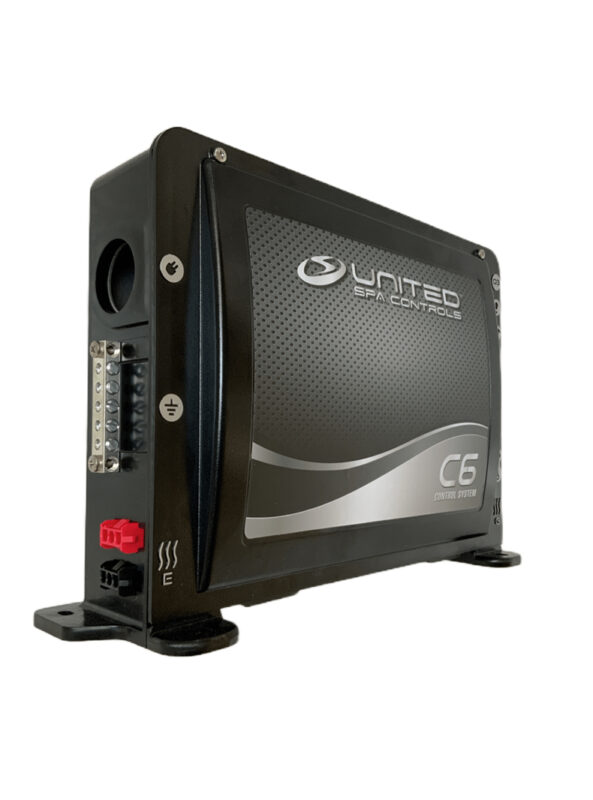
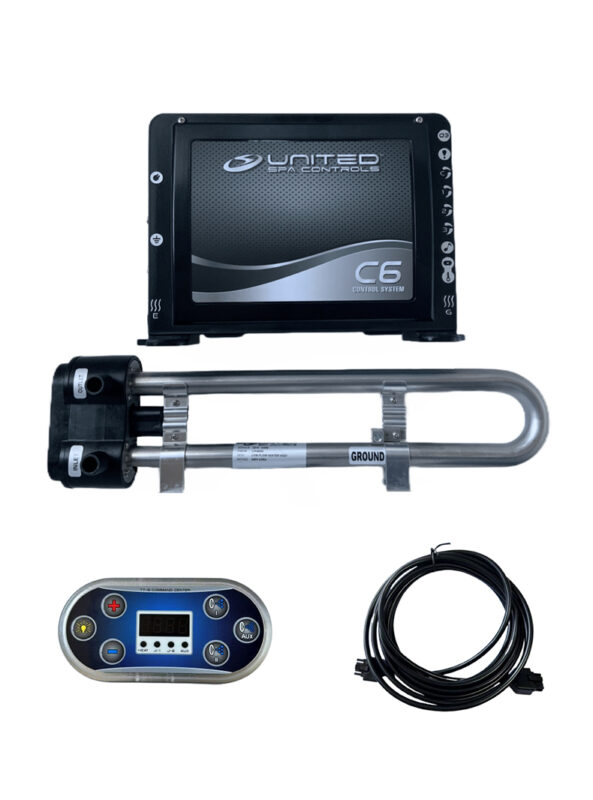
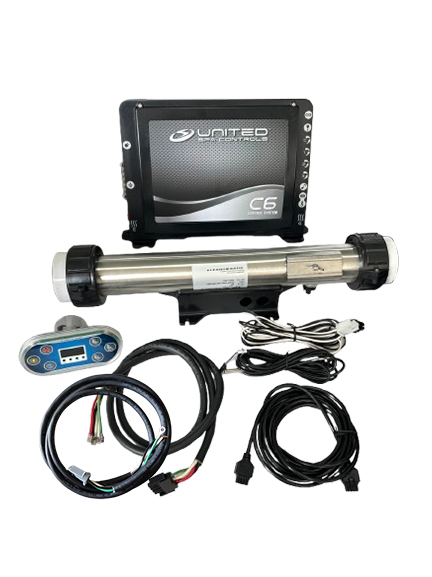
If the spa high limit switch has failed alongside the control board or the heater element, a full kit replacement — CB117P or C6 depending on your system — may be more cost-effective than sourcing individual components. The spa control box replacement guide covers when a full kit replacement makes more sense than targeted component repair. The United Spa Controls C6 guide and the United Spa Controls CB117P guide cover the full kit contents for each system.
If the spa high limit switch failure is accompanied by control board or heater element failure, Spasrus stocks the full United Spa Controls CB117P and C6 kits with same-week shipping to most US zip codes. Contact Spasrus to confirm which kit matches your system before ordering.
View CB117P Kit on Spasrus →
Frequently Asked Questions
What is the difference between a spa high limit switch and a pressure switch?
The high limit switch responds to temperature: it opens and cuts heater power when the manifold temperature exceeds a set threshold (typically 108–118°F). A pressure switch responds to water flow: it opens and displays a FLO error when flow through the heater drops below the minimum threshold. Both are mounted near the heater manifold and both cause the heater to stop running when they open — which is why they are often confused.
The error code distinguishes them: an HL code points to the spa high limit switch or a genuine high-temperature event; a FLO code points to the pressure switch or a flow problem. Replacing the wrong component is the most common mistake when both error codes appear at different times on the same system. The spa pressure switch guide covers FLO error diagnosis in detail.
Can I reset a spa high limit switch without calling a technician?
Yes. Most manual-reset spa high limit switches have a small red or black button on the end of the switch body. After the system has cooled down (typically 15–30 minutes), press this button firmly until you feel or hear a click. Then restart the spa. If the HL error does not return after the next full heat cycle, the switch tripped due to a transient event — likely a brief period of low flow or an air lock after recent maintenance — and the system is functioning normally.
If the HL error returns after reset, do not continue resetting without addressing the underlying cause. Repeated resets without diagnosis risk running the heater in a condition that caused the overheat event in the first place. Work through the diagnostic steps in this guide or consult a qualified spa technician.
What causes a spa high limit switch to trip repeatedly?
The most common causes of a repeatedly tripping switch are low water flow through the heater manifold, mineral scale on the heater element creating hot spots, and a switch that has drifted below its rated trip point. Low flow causes the water around the heater element to heat faster than it can be carried away, raising the local temperature at the manifold above the trip threshold.
Start by cleaning the filter and checking that the pump is running at full speed during heat cycles. Scale buildup on the heater element is the next suspect if flow appears normal — scale creates localized hot spots on the element sheath that raise the manifold temperature without raising the bulk water temperature proportionally. The spa heater element guide covers element inspection and the low flow heater guide covers flow-related causes of HL faults.
Is the spa high limit switch the same as the thermal fuse?
No. A thermal fuse is a one-time-use safety device that permanently opens when it reaches its rated temperature — it cannot be reset and must be replaced after a single trip. A spa high limit switch is a resettable device: it opens at the trip temperature and can be reset (manually or automatically) once the temperature drops. Most spa control systems use a resettable switch rather than a thermal fuse, because a fuse that has tripped requires a component replacement even after a benign fault event.
If your system has a thermal fuse rather than a resettable spa high limit switch and the fuse has blown, it must be replaced. Do not bypass a blown thermal fuse — it opened for a reason. Identify and correct the overheat condition before installing the replacement.
Will a failed spa high limit switch cause the GFCI to trip?
A spa high limit switch failure itself does not directly cause GFCI trips. The GFCI trips when it detects current leaking to ground — typically from a degraded heater element rather than the high limit switch. However, if a spa high limit switch has failed closed (stuck, not opening), and an overheat condition develops, the resulting thermal stress on the heater element can accelerate insulation degradation in the element — which does cause GFCI trips.
If both an HL error and GFCI trips are occurring on the same system, investigate both the spa high limit switch and the heater element. The GFCI tripping guide covers heater circuit isolation testing, and the spa heater element guide covers element insulation testing. The spa GFCI tripping guide covers the full isolation sequence.
How do I know if the spa high limit switch or the temperature sensor caused a no-heat fault?
The error code is the first distinguisher: an HL code points to the spa high limit switch or a genuine overheat event; an incorrect temperature reading or a sensor-specific error code points to the temperature sensor. If the display shows the current water temperature as significantly higher than it actually is, the temperature sensor is more likely the cause — the control board may be holding the heater off because it believes the water is already at or above the set point.
If the display shows a plausible water temperature and an HL code, test the spa high limit switch with a continuity check at room temperature. If the switch is open at room temperature (after pressing the reset button), the switch has failed. If the switch reads closed, the HL fault is either from a genuine overheat event or from the switch tripping early due to calibration drift. The temperature sensor guide covers sensor testing and replacement steps for United Spa Controls systems.
Where to Buy a Spa High Limit Switch
For United Spa Controls systems, the spa high limit switch is available through Spasrus either as a standalone component or as part of the full CB117P or C6 kit. If the control board and heater element are functioning correctly and only the spa high limit switch has failed, ordering the switch alone is the most cost-effective repair. Contact Spasrus to confirm the correct switch part number for your specific system — the CB117P and C6 use different heater manifold configurations, and the switch specifications must match.
If the spa high limit switch failure is accompanied by control board failure or heater element failure, a full kit replacement is often the more practical choice. The CB117P kit page and the C6 kit page on Spasrus cover the full contents of each kit. The spa pack replacement guide covers the decision between targeted component replacement and a full spa pack swap when multiple components have failed.
For related diagnostic guides, the spa heater not heating guide covers the full no-heat diagnostic sequence, the spa GFCI tripping guide covers GFCI faults that may accompany HL events, and the spa pressure switch guide covers FLO errors that can occur alongside high limit faults. The S-type heater fault guide covers heater fault codes specific to the United Spa Controls S-type heater assembly.
For the full United Spa Controls product lineup, visit the United Spa Controls systems page or read the United Spa Controls brand overview.